

A quiet erosion of myself, a gap broadening between who I was and how I presented myself – I did not know the person I had become around HIM
Over many years with HIM, there were countless outward and inward conflicts. Looking back, I see how often I chose to be “easy” and did whatever it took to keep peace in the household, believing I was protecting our children and hiding the truth from friends and extended family. Sadly, our children knew what was happening but followed my lead.

About 15 years ago, my young son and I drove to our lake house to spend a few days with my sister. Time together had become rare because of the distance between us, the busyness of family life, and a long-standing conflict between HIM and her husband. As always, our visit was a joy.
We ended the visit promising not to let so much time pass before seeing each other again. Late that afternoon, my son and I left in the Bentley convertible for the two-hour drive back to the city.
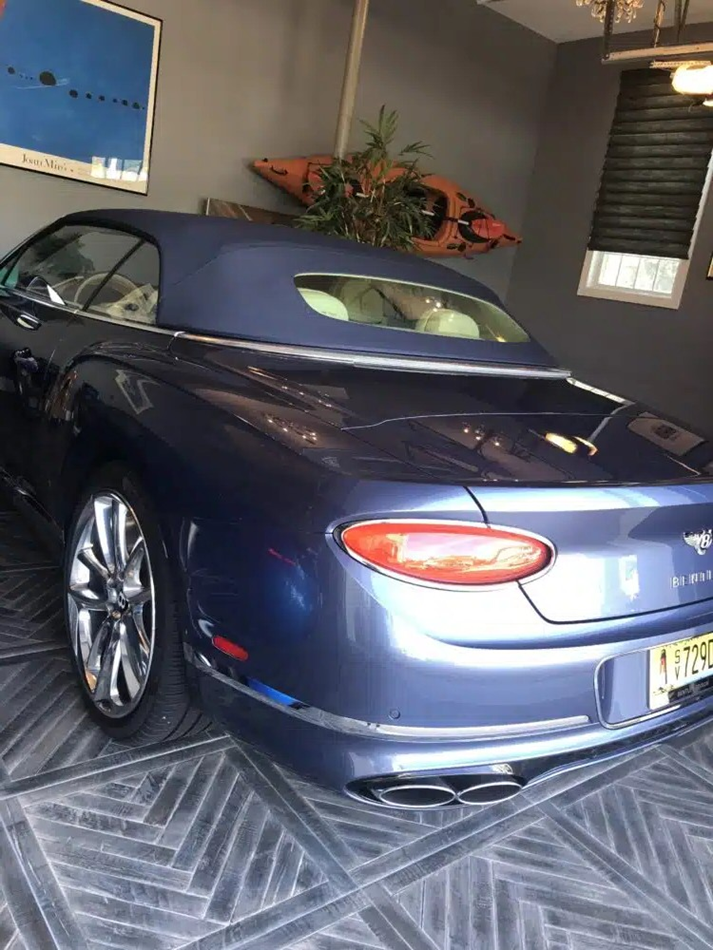
Soon after, I realized I had forgotten to get gas before leaving town. A highway sign pointed to gas at the next exit, but the station was several miles down a country road. I filled the tank, got back in the car, and it would not start. I first suspected the battery, but the lights and locks still worked. I checked the gas cap, knowing some cars will not start if they are loose, and even asked another driver to try jumper cables, but nothing worked. Because I was blocking the pump, we pushed the car into the parking lot. I had no choice but to call HIM.

I dreaded making that call because it meant admitting I had not gotten gas earlier, but I had run out of options. When I told him I was stranded a few miles off the highway, he responded with the screaming and insults I expected. He said he now had to drive an hour and a half to get us because of my stupidity. I knew I should have filled up sooner, and by then it was dark. When he finally arrived, he was so enraged—pacing in circles, yelling, and swearing in the parking lot—that the clerk inside asked if she should call 911 and whether my son and I were safe.
He had lost his temper before, but this was especially bad. He had not hit me in years, after a counselor had made clear that I should call 911 if he did, but I was still afraid to get in the car with him. He kept repeating that HE had given me this beautiful car and this was how I treated it. HIS Bentley would now sit overnight in an unknown area, and the two-hour ride home with him screaming at me was torture.

What saddens me most is that I said nothing. By then I had become skilled at grey rock,
believing silence was the best way to keep my children out of emotional battles with HIM. I should never have gotten into the car with him; I likely put both myself and my son in danger.
The berating lasted for days, though never in front of others. When HIS Bentley was towed, we learned it had a second battery in the trunk that powered the ignition—one HE did not know was there and had not kept charged. I cannot count the expensive “toys” HE owned without ever learning how to maintain or operate them; Bentleys and RVs can be a nightmare.
As the attached article describes, I had become alienated from my inner self. I did not care about driving a “Bentley,” and I cannot count the times I had to help HIM out of situations because that is what you do for someone you care about. For my son’s sake and my own, I kept performing and simply surviving.
One difference between my situation and the following article is that when the author began standing up for herself, her relationship improved. When I recently started standing up for myself, things escalated. Narcissists fear losing control of the empath, and HE began to fear my breaking free from HIS coercive control. HIS response took two forms: control through fear, and control through false apologies and courtship. More blogs to come!
Psychologists call it ‘self alienation’ and at 52 I realise I’ve been doing it for decades
Main Points of the Article – up to #7 describe me.
1. A lifetime of being “easy” gradually became self‑erasure
The author describes decades of softening herself—minimizing opinions, downplaying enthusiasm, avoiding friction, and smoothing social dynamics—without realizing she was slowly editing herself out of her own life.
2. Psychologists call this pattern self‑alienation
Self‑alienation is defined as the gap between who you are internally and how you present externally. Research shows it leads to lower self‑esteem, anxiety, and a sense of disconnection.
3. The realization arrived in an ordinary moment
During a casual lunch, the author noticed herself shrinking a positive story to make it more “palatable.” That moment exposed how automatic the self‑minimizing had become.
4. The pattern showed up everywhere—marriage, motherhood, friendships
She recognized how often she chose ease over honesty:
- Deferring to her husband to avoid disrupting harmony
- Losing herself in motherhood
- Maintaining friendships by managing her own expression
5. The hidden cost: deep emotional exhaustion
Not physical tiredness, but the fatigue of constant self‑monitoring and self‑adjustment. Research links authenticity with wellbeing; the inverse creates cumulative psychological strain.
6. Midlife brought a shift toward alignment
At 52, she began making small but deliberate changes:
- Speaking more directly
- Expressing preferences without apology
- Allowing discomfort instead of smoothing it
7. Her relationships improved—not worsened
Contrary to her fears, being more authentic deepened her connections:
- Friendships became more open
- Marriage gained clarity
- Her children now see a mother who values herself, not just others
8. Authenticity is not loudness—it’s alignment
Research shows people who live in alignment with their inner selves are more resilient and stable. She feels she is returning to a truer version of herself.
9. The freedom of no longer making yourself small
Her life feels more grounded and honest. She realizes how much of herself she had been holding back—and how much room there still is to expand.
